
Screen, DTF, embroidery, sublimation, priced the way you price them.
A print is not a line item with a number on it. It is a method, on a side, at a size, in a quantity, usually with a setup fee that is charged once however many pieces there are. So that is how it is modelled, everywhere it appears.
The counter, the store and the partner all price a print through the same definitions.
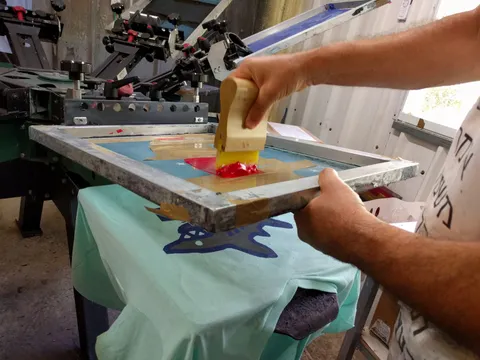
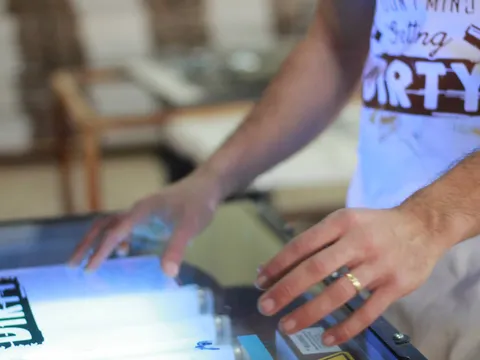
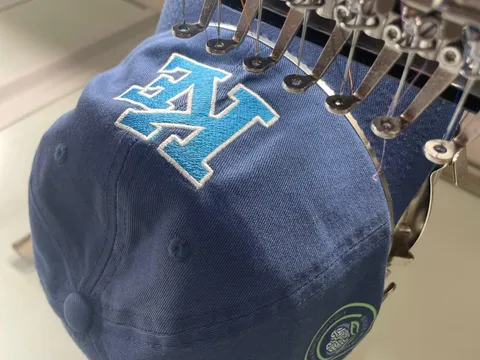
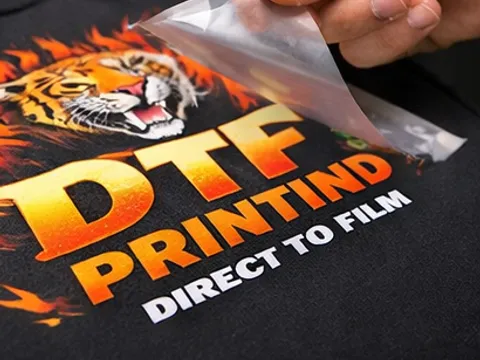
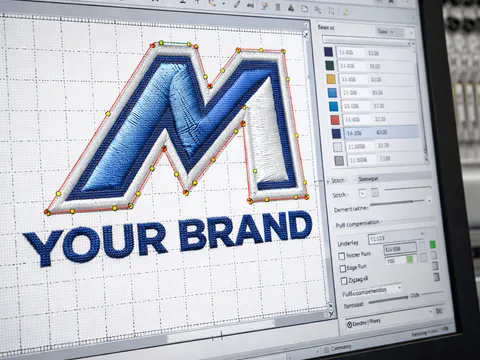
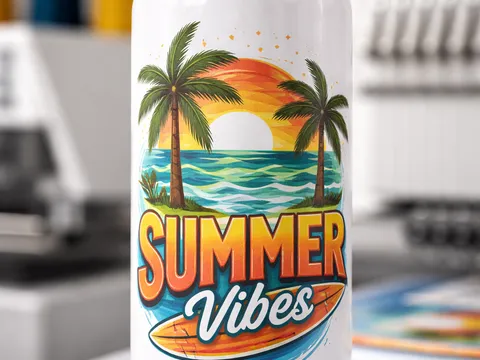
A method is a real record
Its price, its setup fee, its photo and its description, and which sides of which products it can go on. Add a method the shop starts offering and it appears everywhere at once.
Sides are per product
Front, back, sleeve, chest: which sides exist and which methods each one accepts is a property of the product, so a customer is never offered a print that cannot be produced.
Setup fees behave like setup fees
Charged once for the job rather than multiplied by the quantity, and shown as their own line so the customer can see what they are paying for.
Quantity breaks
Price per unit falls at the quantities you set, per method or per product, and the store shows the customer how many more pieces would reach the next step.
A price for one reseller
A partner can carry their own price for a method without a second copy of it existing, and their portal and their API both quote that one.
Questions shops ask
What about printing that changes on every piece?
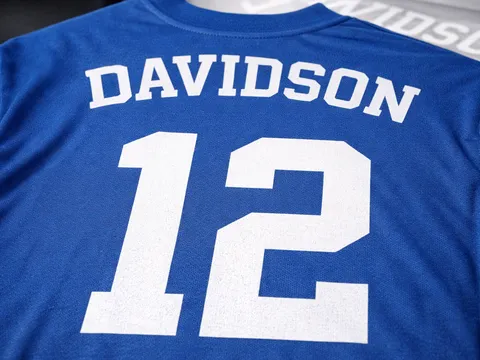
Variable printing is handled on its own: the customer fills in a list of names or numbers through a link, one row per piece, and the job prints from the list they filled in.
Can a customer supply their own artwork?
Yes. A print can carry files the customer uploaded, per side, and those files travel to the floor as part of the job.
Come and see it running in a shop like yours.